The Best Local Repair Shop for Sprinters and Land Rovers
Auto Repair Shop Golden CO

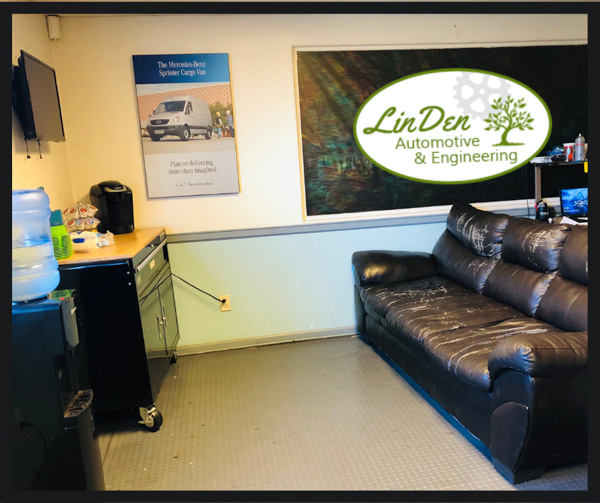
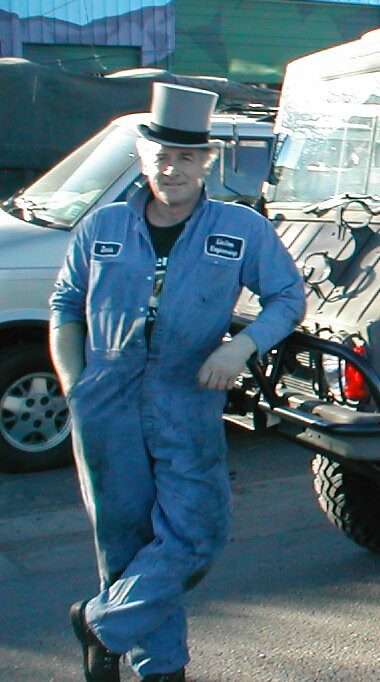
The best repair shop West of the Mississippi for your Sprinter or Land Rover. We’re experts with the intricacies of these vehicles, knowing them better than most. Just because your vehicle has issues that others cannot figure out doesn’t mean it can’t run beautifully. It just needs a repair shop with the knowledge, skill and tenacity to understand it, which we have in spades at LinDen Automotive.
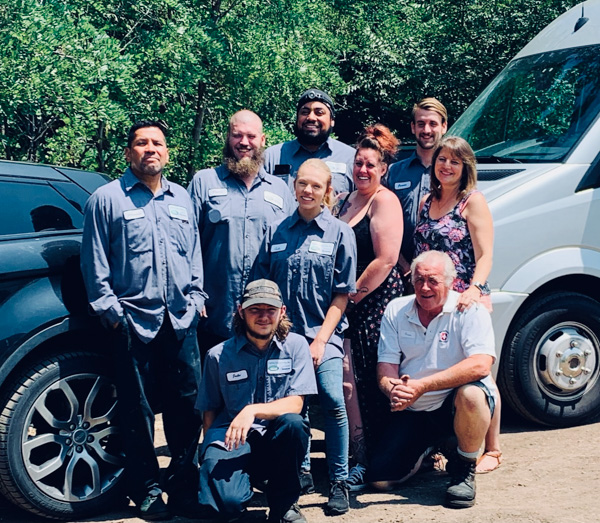
We have a special fondness and appreciation for these well-made vehicles. With more than 50 years of service experience, Dennis and his crew can get you in, get you taken care of and get you back on the road to enjoy your next journey.
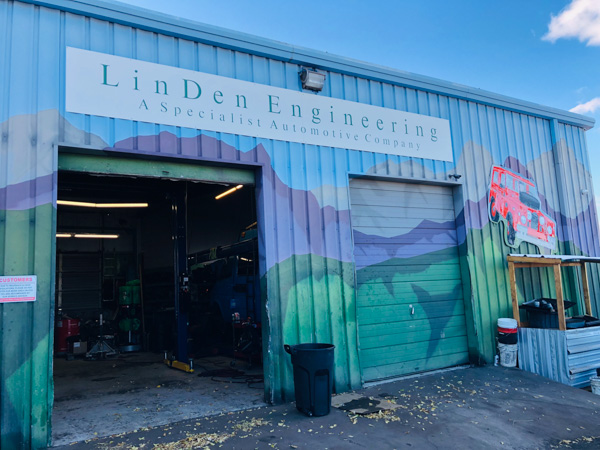
Our name comes from a combination of our owners’ names; Linda and Dennis. Also chosen because of the Linden Tree — a tree known for its strength and longevity, much like the vehicles we service. It’s important to note we care about the environment at LinDen Automotive and work hard to bring together “green” and “diesel” whenever possible.
And how can you not care about the environment when you live in a place as majestic as Golden, CO? We’re walking distance to a few restaurants and shops. If you live here or you’re traveling through on the I-70 corridor, we’re convenient to the expanded Denver area; Boulder, Colorado Springs, Fort Collins, Evergreen, Grand Junction, and many Mountain Town Resorts.
Whether you’re a casual driver or hardcore enthusiast, we’ll provide you with friendly service aimed at maximizing the performance and durability of your vehicle. We do our best to go the extra mile for customer satisfaction – from giving honest advice to fixing the unfixable.
We’re open to serve you weekdays from 9:00am to 5:00pm (closed from 1-2:00pm for lunch). Bumper to bumper, we fix it all, no repair is too big or too small. Call at (720) 344-1877 with questions or to get on our schedule.
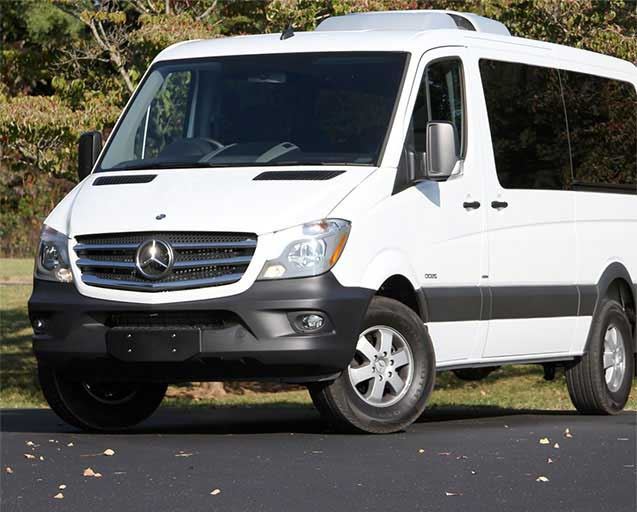
Sprinter Vans
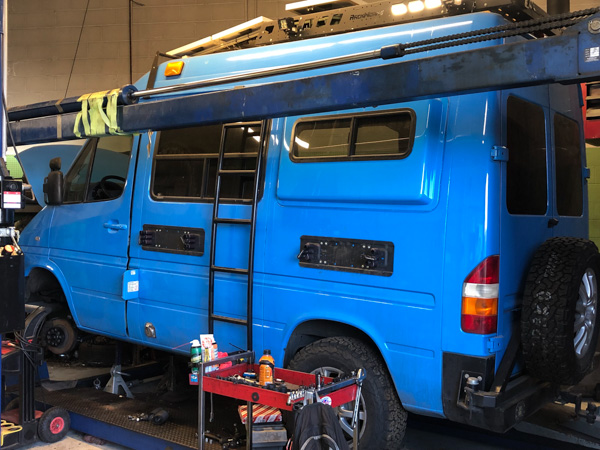
In the Golden area, nobody wants to touch Sprinters. Nobody that is, except us! At LinDen Automotive, we love working on Sprinter vans, whether Mercedes-Benz, Dodge, Freightliner, or Volkswagen. These vehicles do present servicing challenges, but we have the experience, skill, and a general appreciation for Sprinter engineering that makes overcoming these challenges a very rewarding experience.

Land Rovers
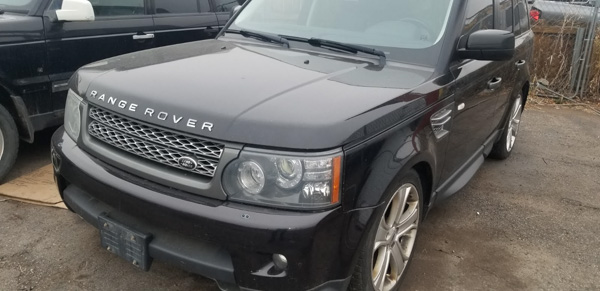
Our owner has been called “The Land Rover Whisper” and for good reason. Our LinDen Automotive team believes Land Rover vehicles are best suited for our Colorado way of life so we own a few ourselves. We know their ins and outs and we know how to make them last.
Linden Automotive
Sprinter & Land Rover Pros
1237 Rogers St
Golden CO 80401
Business Hours
Monday – Friday : 9:00 – 5:00
Closed Daily from 1:00 – 2:00 PM for Lunch